Hybrid meetings done right: Bridging remote and in-room teams
Hybrid working is here to stay. Yet while flexible working models have evolved rapidly, many organisations are still refining how they conduct hybrid meetings effectively.
When done poorly, hybrid meetings create division. Remote participants feel like observers, while those in the room dominate discussion. When done well, however, hybrid collaboration can be seamless, inclusive and highly productive.
The challenge of hybrid dynamics
In traditional meeting rooms, communication is largely physical — eye contact, body language and spontaneous interaction. Introducing remote attendees changes this dynamic. Audio delays, poor camera positioning and inconsistent connectivity can undermine engagement.
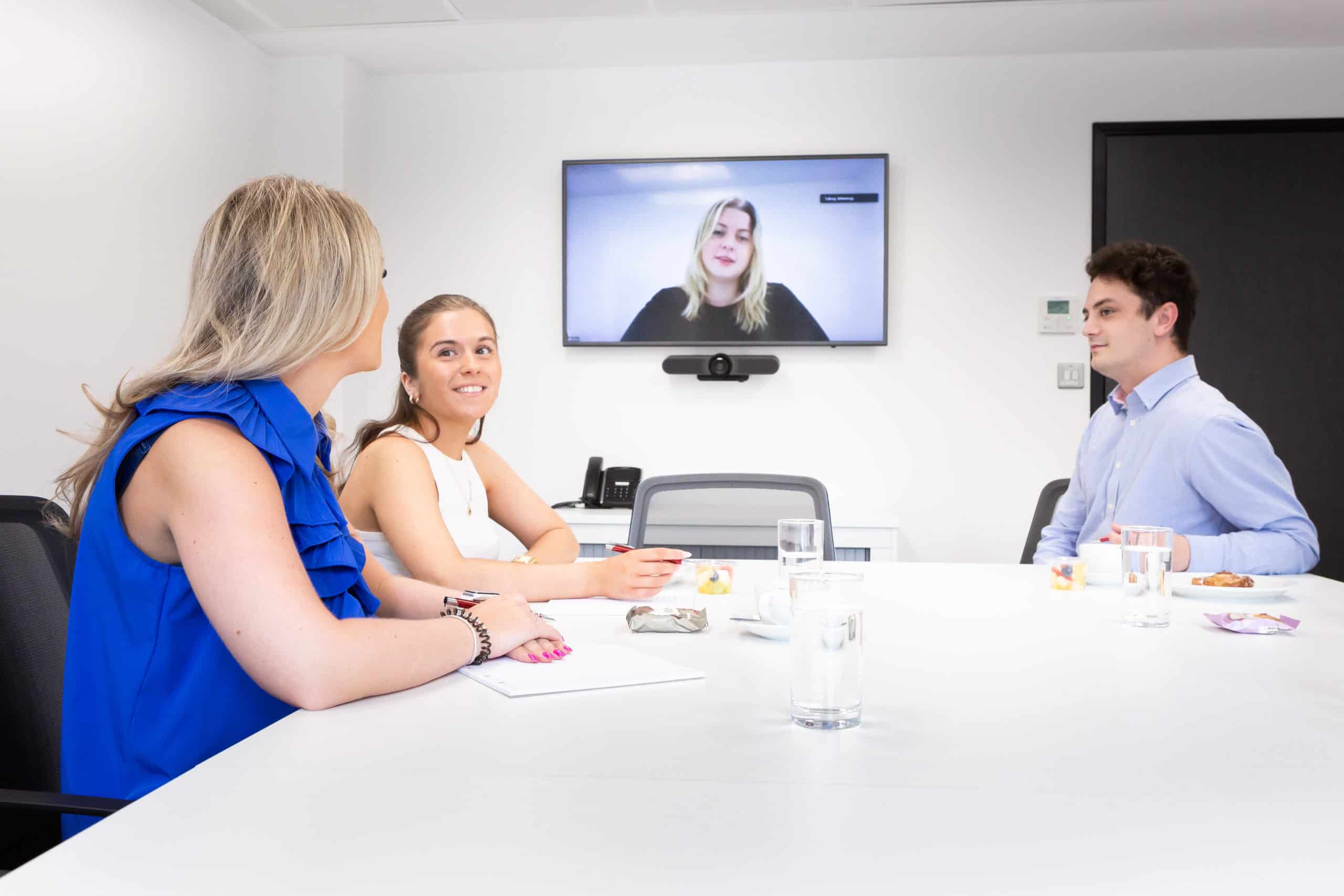
To bridge this gap, businesses must rethink both technology and space.
The importance of professional meeting rooms
Managed workspaces are uniquely positioned to support hybrid collaboration. Purpose-built meeting rooms equipped with high-quality cameras, integrated microphones and dual screens ensure all participants are visible and heard.
Unlike ad-hoc setups, professionally managed meeting rooms remove technical friction. Remote attendees can see the entire room clearly. In-room participants can view remote colleagues at eye level, creating a more natural experience.
Reliable connectivity is non-negotiable. Strong, secure Wi-Fi ensures presentations stream smoothly and discussions remain uninterrupted.
Designing for inclusivity
Hybrid meetings must be structured intentionally. Consider these practical steps:
- Assign a moderator to monitor remote contributions
- Encourage everyone to join via their own device if appropriate
- Use shared digital agendas and collaborative tools
- Build in pauses to invite remote input
Inclusivity is not automatic; it must be designed.
Acoustic and visual considerations
Acoustics are often overlooked in hybrid meetings. Echoing rooms or background noise disproportionately affect remote participants. Soundproofed meeting rooms within managed offices reduce distraction and enhance clarity.
Camera placement is equally important. A single laptop camera at the end of a long table creates distance. Integrated room systems with wide-angle lenses provide a more balanced visual field.
Lighting should be evenly distributed to avoid shadows or glare, ensuring facial expressions remain visible.
Culture matters as much as technology
Technology alone cannot fix hybrid imbalance. Organisational culture must evolve to support equitable participation.
Leaders should model inclusive behaviour by:
- Addressing remote participants directly
- Avoiding side conversations
- Summarising decisions clearly
- Sharing materials in advance
When everyone feels heard, collaboration strengthens.
The business case for getting it right
Hybrid meetings are here to stay. Businesses that invest in professional meeting environments within managed workspaces gain a competitive advantage.
Improved collaboration leads to faster decision-making. Inclusivity enhances employee engagement. Professional setups strengthen client interactions, especially when external stakeholders join virtually.
The future of work is flexible. Bridging remote and in-room teams successfully requires intentional design, reliable technology and the right workspace infrastructure.
Hybrid meetings done right are not a compromise — they are an opportunity.
Blog Latest
-

The First Meeting of the US Cabinet in 1791: A Historic Moment in American Politics
4 November 2026
-

Less talk, more impact: Building a culture of efficient meetings
21 October 2026
-

Nelson’s last meeting before the Battle of Trafalgar
20 October 2026
-

Collaboration vs conversation: Understanding the purpose of every meeting
2 October 2026