Nelson’s last meeting before the Battle of Trafalgar
The final hours of a naval legend
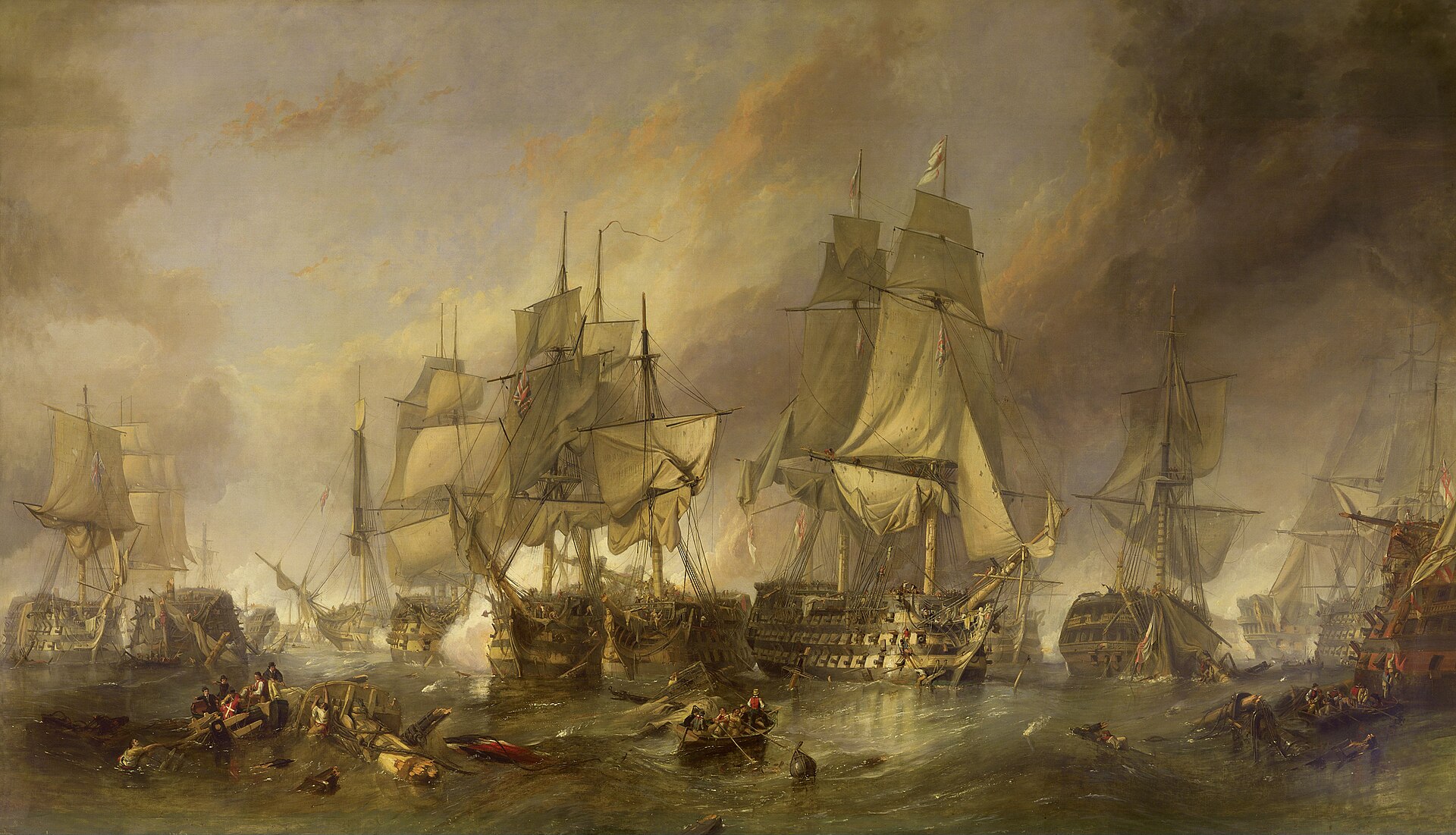
Admiral Horatio Nelson’s last meeting before the Battle of Trafalgar remains one of the most fascinating moments in British naval history. On 21 October 1805, Nelson led the Royal Navy into a decisive confrontation against the combined French and Spanish fleets off the coast of southern Spain. Yet, before the guns opened fire, the British commander spent time with his officers, discussing the battle plan and preparing his fleet for what would become one of the most significant naval engagements of the Napoleonic Wars.
Understanding Nelson’s final meeting before Trafalgar offers a glimpse into his leadership, strategic thinking and determination. It also helps explain why the Battle of Trafalgar became a defining event in British maritime history.
When was Nelson’s last meeting before Trafalgar?
In the days leading up to the Battle of Trafalgar, Nelson worked closely with his captains to prepare for the approaching engagement. His final discussions focused on the tactics that would allow the British fleet to break through the enemy line and disrupt the combined French and Spanish forces.
On the evening of 20 October 1805, the opposing fleets were manoeuvring near Cape Trafalgar. Nelson knew that the coming battle could determine control of the seas and influence Napoleon Bonaparte’s plans for Europe. Rather than relying entirely on traditional naval tactics, he intended to attack the enemy line in two columns, concentrating British firepower against selected sections of the opposing fleet.
These preparations reflected Nelson’s willingness to adapt established naval strategy to the circumstances of battle.
Nelson’s meeting with his captains
Nelson’s relationship with his captains was central to his command style. He encouraged initiative, trusted experienced officers and communicated his intentions clearly. His preparations before Trafalgar were designed to ensure that his captains understood the overall objective, even if smoke, confusion or damage prevented them from receiving further orders once fighting began.
One of the most famous elements of these preparations was the strategy later associated with the phrase “the Nelson Touch”. The expression described the distinctive combination of tactical planning, personal leadership and confidence that Nelson brought to naval warfare.
Although popular accounts sometimes portray Nelson’s final meeting as a single dramatic gathering immediately before battle, the historical picture is more complex. His plans emerged through discussions, written instructions and ongoing communication with his officers in the days before the engagement. These preparations helped establish a shared understanding of how the fleet should fight.
Nelson’s leadership was not simply about issuing commands. It was about giving his captains the confidence to act decisively when the battle became unpredictable.
The famous signal before the battle
One of the most enduring moments associated with Nelson’s preparations was his famous signal to the fleet on the morning of 21 October 1805. As the British ships approached the enemy, Nelson ordered the signal that became immortalised as: “England expects that every man will do his duty.”
This message captured the spirit of Nelson’s leadership and strengthened the connection between the admiral and his sailors. Although the signal was not part of a private meeting, it reflected the principles that guided his final preparations: courage, duty and collective determination.
Nelson’s flagship, HMS Victory, led the British attack alongside Vice-Admiral Cuthbert Collingwood’s division. The fleet advanced towards the Franco-Spanish line, beginning an engagement that would transform the course of naval warfare.
What happened after Nelson’s final preparations?
The Battle of Trafalgar began on 21 October 1805 and ended in a decisive British victory. The Royal Navy captured or destroyed numerous enemy ships, severely weakening the French and Spanish fleets and reducing Napoleon’s ability to challenge British naval supremacy.
However, the victory came at a tremendous personal cost. Nelson was fatally wounded by a French marksman aboard HMS Victory during the battle. He died later that afternoon, having lived long enough to learn that the British fleet had achieved victory.
Nelson’s death turned the events surrounding Trafalgar into a lasting part of Britain’s national story. His final communications, tactical decisions and relationships with his officers continue to attract the attention of historians and visitors interested in the Battle of Trafalgar.
Why Nelson’s last meeting still matters
Nelson’s final preparations before Trafalgar demonstrate how effective leadership can influence the outcome of a major military engagement. By communicating his intentions, trusting his captains and encouraging independent decision-making, he created a fleet capable of responding to the confusion and uncertainty of battle.
For anyone exploring British naval history, the story of Nelson’s last meeting before Trafalgar offers more than a dramatic account of events on the eve of battle. It reveals the planning, teamwork and personal qualities behind one of history’s most famous naval victories.
Nelson’s last meeting before the Battle of Trafalgar symbolises the preparation and leadership behind his greatest victory. Although there was no single conversation that explains everything about his final hours, his discussions with officers and carefully developed battle plans helped prepare the Royal Navy for its decisive encounter with the French and Spanish fleets.
Today, the story of Admiral Horatio Nelson, HMS Victory and the Battle of Trafalgar remains an essential chapter in British maritime heritage. His final preparations continue to illustrate why Nelson is remembered as one of Britain’s most influential naval commanders.
Blog Latest
-

The First Meeting of the US Cabinet in 1791: A Historic Moment in American Politics
4 November 2026
-

Less talk, more impact: Building a culture of efficient meetings
21 October 2026
-

Nelson’s last meeting before the Battle of Trafalgar
20 October 2026
-

Collaboration vs conversation: Understanding the purpose of every meeting
2 October 2026